Can You Exercise After Botox? (Timing and Risks)

Botox fits neatly into a lunch break, which is part of its appeal. That convenience raises a fair question for anyone with a standing gym schedule: does a workout right after treatment interfere with the results you just paid for? Advice online swings between extremes, from wait a full week to exercise as much as you like. The accurate answer is more measured, and it depends mostly on timing and the type of activity you have planned.
This guide explains when you can safely return to your routine and the reasoning behind the short waiting period, with a practical look at which workouts deserve extra care.
Can you exercise after Botox?
You can exercise after Botox, though not right away. Providers generally ask patients to pause strenuous activity for a short window after injections. At SKIN MD, the baseline guidance for wrinkle relaxers in Dearborn is to skip high-intensity exercise for about four hours, and heavier training is often best saved for the following day. A relaxed walk after your appointment sits well within safe territory.
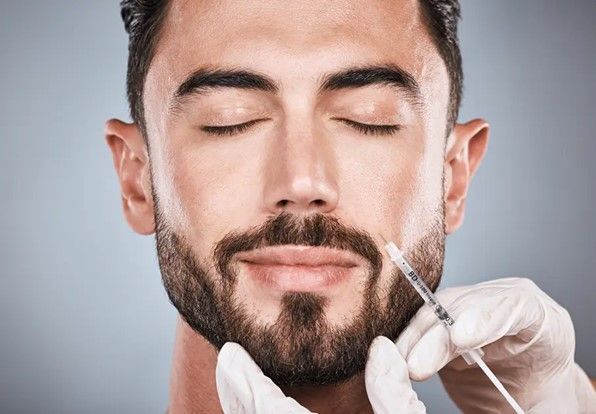
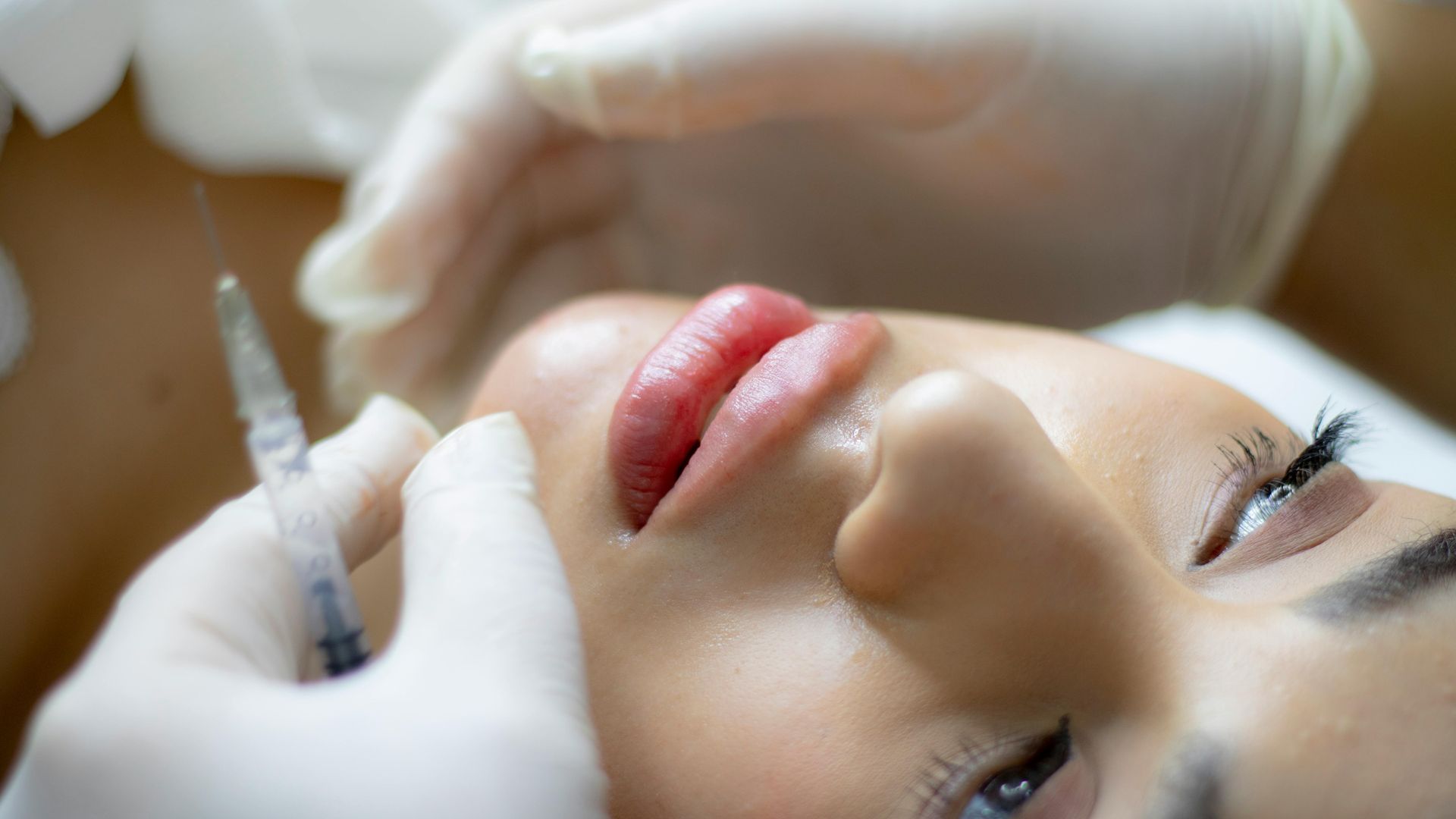
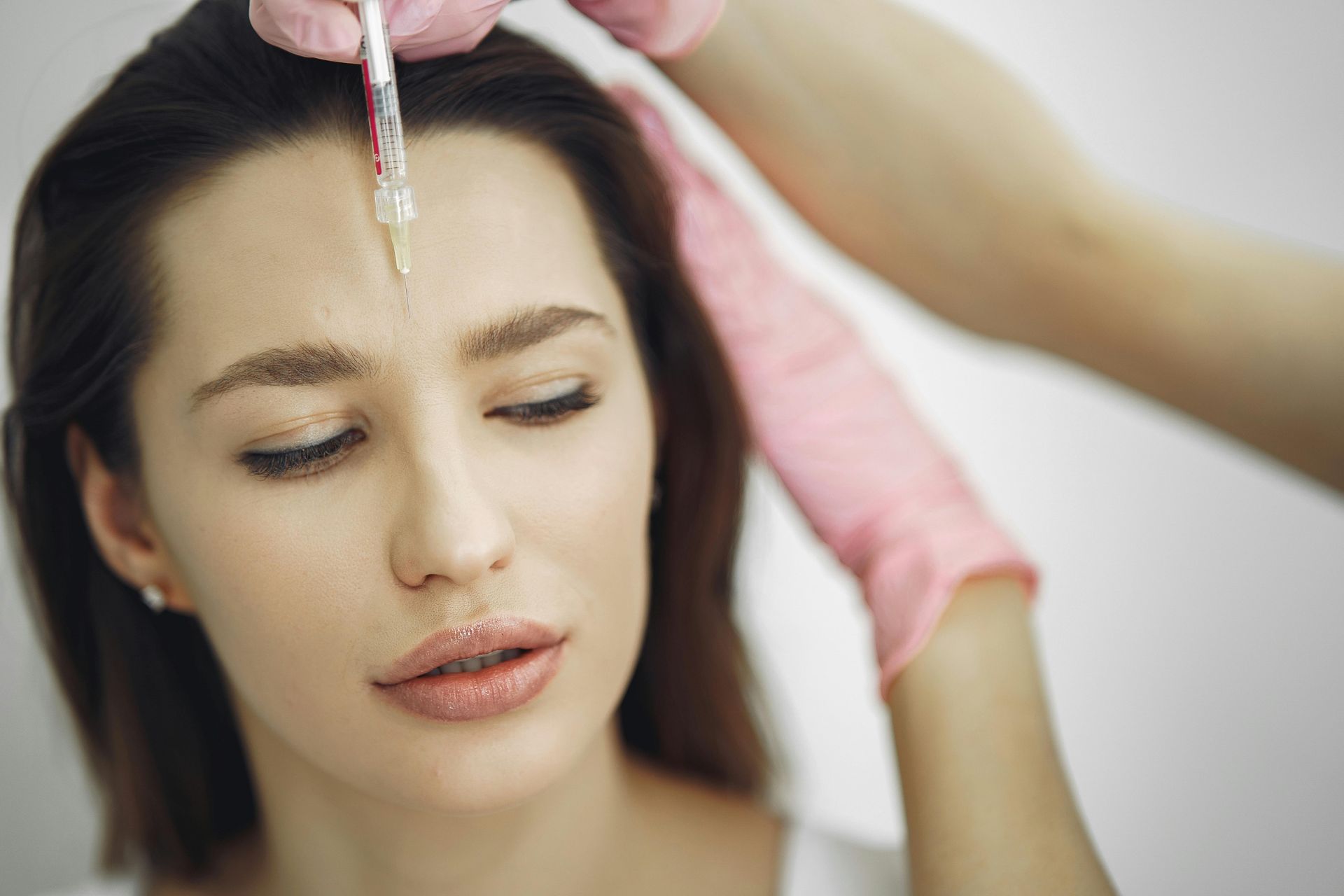
Botox is a purified form of botulinum toxin type A that softens the muscle activity behind expression lines such as crow's feet and forehead creases. The treatment is common enough that this question comes up in clinics almost daily. According to the American Society of Plastic Surgeons, botulinum toxin type A is the most requested minimally invasive cosmetic procedure in the United States, with roughly 4.7 million treatments recorded in 2023. (ASPS)
Quick answer: Light activity is usually fine right after Botox. Strenuous exercise and hot workouts are best postponed for at least four hours, and ideally until the next day. The single most reliable rule is to follow the aftercare instructions your own injector gives you.
Why does timing matter after Botox?
Botulinum toxin works by attaching to nerve endings near the injection site and blocking the chemical signal that tells a muscle to contract. That binding process is not instant. For the first few hours, the product is still settling into the targeted muscles, and the concern is that anything raising blood flow or facial movement during that window could affect how evenly it distributes.
Exercise touches several of these factors at once. A hard workout raises your heart rate and blood pressure, which can make bruising and swelling at the injection points more likely. Sweat brings bacteria to freshly punctured skin, and the reflex to wipe your face means touching areas your injector asked you to leave alone. Positions that drop your head below your heart, common in weightlifting and some yoga poses, add pressure to the face while the product is still setting.
This is where the widely cited four-hour rule comes from. During those first hours, the toxin is actively binding to nerve endings but has not fully locked into place, so gravity and pressure could in theory nudge it away from the intended muscle. Once binding finishes, the product stays put, which explains why the restrictions ease after the same day rather than lasting the length of your results.
Much of this guidance is precautionary by design. Strong clinical proof that a post-treatment jog ruins Botox is limited, and the toxin binds fairly quickly once injected. Providers favor a short, conservative pause because waiting a few hours costs almost nothing, while the payoff is protecting a result meant to last for months.
How long after Botox can you exercise?
The waiting period scales with the intensity of the activity. Gentle movement can resume almost immediately, while sweaty or demanding sessions call for a longer pause. The timeline below reflects common practice, though your provider's specific instructions always take precedence.
| Activity | Suggested wait | Notes |
|---|---|---|
| Walking, light errands | Right away | Keep your head upright and avoid bending over repeatedly |
| Desk work, daily tasks | Right away | No special precautions beyond leaving the treated area alone |
| Moderate cardio, light gym session | 24 hours | Gives the product time to settle before you raise your heart rate |
| Weightlifting, HIIT, intense cardio | 24 hours | Raised blood pressure can make bruising more pronounced |
| Hot yoga, sauna, steam room | 24 to 48 hours | Heat adds to swelling and may affect how the product settles |
| Swimming | 24 hours | Avoid submerging fresh injection sites |
Full Botox results develop over about two weeks, and the injected product settles into place long before then. The caution applies to the first day, not the full stretch of time your results are developing. By the time the smoothing effect appears, usually within two to five days, your workout schedule is back to normal.
Should you work out before your Botox appointment?
Exercising before Botox carries fewer restrictions than exercising after, so a morning workout followed by an afternoon appointment suits most people well. Booking earlier in the day also lets the four-hour settling window pass naturally while you are up and moving, which spares you from watching the clock at home.
Two habits in the days beforehand reduce the chance of bruising. Skipping alcohol for about 24 hours ahead of treatment keeps blood vessels less prone to leaking, and pausing blood-thinning medications and supplements, from aspirin to fish oil, where your prescriber agrees it is safe to do so, has a similar effect. Arriving with clean skin and no heavy makeup lets your injector work on a fresh surface and lowers the risk of irritation.
Is “you can't exercise after Botox” a myth?
The belief that Botox and exercise cannot coexist is a myth, built by stretching a short, sensible precaution into a permanent rule. The real recommendation covers a matter of hours. Regular exercise has no lasting effect on how well Botox works once the product has bound to the muscle.
One related detail carries more weight. People who exercise frequently sometimes metabolize Botox a little faster, which can shorten how long the results last. This is a question of long-term metabolism rather than any single gym session, and it is one reason dedicated athletes occasionally book touch-ups sooner. It is not a reason to skip your workouts or the treatment itself.
A second misconception treats sweating as something that flushes Botox out of the body. Sweat leaves through glands in the skin and has no path to the deeper nerve endings where the toxin acts, so a heavy sweat session does not wash your results away. The faster metabolism seen in some regular exercisers is a slow, systemic effect measured across weeks rather than the product of one workout.
Which workouts call for the most caution?
Workouts do not all carry the same risk in the hours after treatment. The ones that combine heat, facial pressure, or an inverted head position are the first to reschedule.
- Inversions and face-down positions: Forward folds and downward dog push blood toward the face, as does heavy lifting such as bench presses or deadlifts, all while the product is still settling.
- Heat-based workouts: Hot yoga and sauna sessions, along with outdoor training in summer heat, raise the odds of swelling and can make any bruising more visible.
Lower-risk choices for the same day include a flat walk and gentle stretching that keeps your head above your heart. Easy stationary cycling without straining is usually fine too.
If your routine also involves dermal fillers in Dearborn, similar timing applies, since fillers benefit from a calm first day as well.
If a favorite class only runs on treatment day, a gentler version or a spot near the back that lets you skip deep inversions keeps you moving without the risk. Most studios and gyms offer enough flexibility to shift a single session, and the payoff is a cleaner result from an appointment you took the time to plan around.
For a full breakdown matched to your treatment, review the Botox aftercare instructions, and raise any questions before your appointment.
What happens if you exercise too soon?
A workout shortly after Botox rarely causes a dramatic problem, so there is no need to panic if you forget and take a brisk walk. The most likely consequences are minor and short-lived.
Increased blood flow can make bruising at the injection sites more noticeable, which is a cosmetic nuisance rather than a medical issue. In theory, vigorous facial movement and pressure during the settling window could contribute to the product spreading slightly beyond the target muscle, which might soften a nearby area you did not intend to treat. Documented cases of this are uncommon, and one early session is unlikely to change your outcome in a way you would notice. Since the remedy is as simple as waiting a few hours, the cautious route is the sensible one.
If a bruise does appear, a cool compress and a few days of patience usually clear it, and gentle arnica helps some patients. Should anything about the result look uneven once the product has fully settled at the two-week mark, your injector can assess whether a small adjustment is worth making.
How can you protect your Botox results?
A little planning around your appointment helps. Booking treatment on a lighter training day, or in the evening after your workout rather than before, removes the temptation to rush back to the gym. Hydration and gentle movement support recovery without any risk to the result.
Beyond the first day, how long Botox lasts comes down to the injector's skill and the dose used, along with how your own body metabolizes the product. Consistent follow-up appointments keep the treated muscles trained into a more relaxed pattern, which is why long-term patients often find their results hold for longer over time. Pairing Botox with supportive skincare designed to complement injectables helps maintain the look of the skin between visits.
Sun and heat deserve attention beyond the gym. Extended sun exposure and very warm environments in the first day can add to swelling, so a shaded, cool recovery serves you better than a poolside afternoon. First-time patients often benefit from a two-week check-in, where the injector reviews how the product settled and refines the dose for the next visit.
When should you call your provider?
Most patients get through Botox aftercare without any issue, and side effects, when they happen, tend to be mild and brief. Minor bruising and small bumps at the injection points that fade within a few hours are expected and rarely need a call.
Contact your injector if you notice pronounced drooping of an eyelid or eyebrow, any difficulty swallowing or breathing, signs of infection at an injection site such as spreading redness or warmth, or a symptom that feels unusual and does not settle within a day or two. These outcomes are rare, and quick communication with your provider is the right step.
Botox aftercare with SKIN MD in Dearborn
SKIN MD provides Botox and other wrinkle relaxers at its Dearborn and Northville locations, with aftercare guidance shaped around each patient's routine and goals. If you are weighing how treatment fits around your training schedule, the team can map out timing that protects your results without upending your workouts.
Schedule a consultation to talk through your options with an experienced injector.
References
1. American Society of Plastic Surgeons. Plastic Surgery Statistics. plasticsurgery.org/plastic-surgery-statistics
2. DermNet. Botulinum toxin. dermnetnz.org/topics/botulinum-toxin
3. Botulinum toxin overview. ScienceDirect Topics. sciencedirect.com/topics/neuroscience/botulinum-toxin