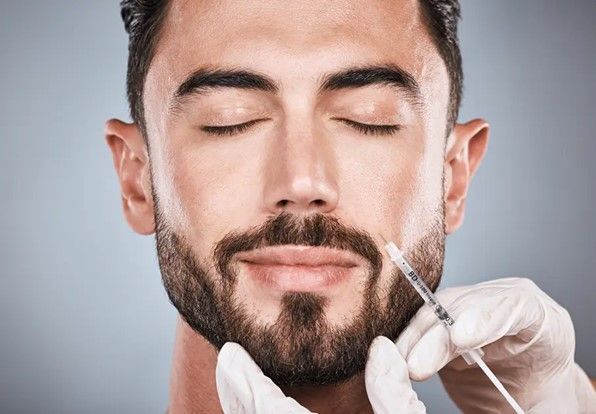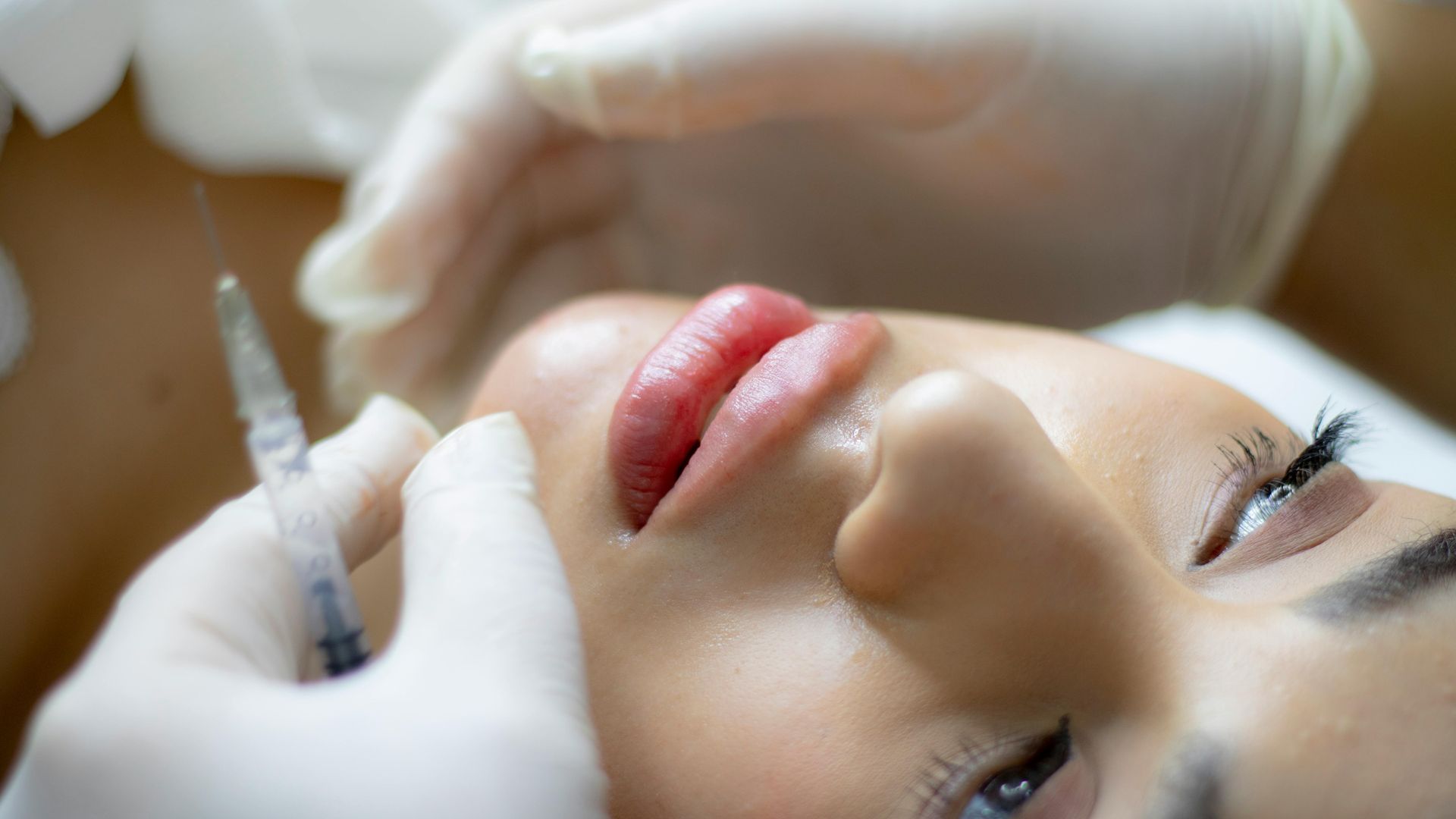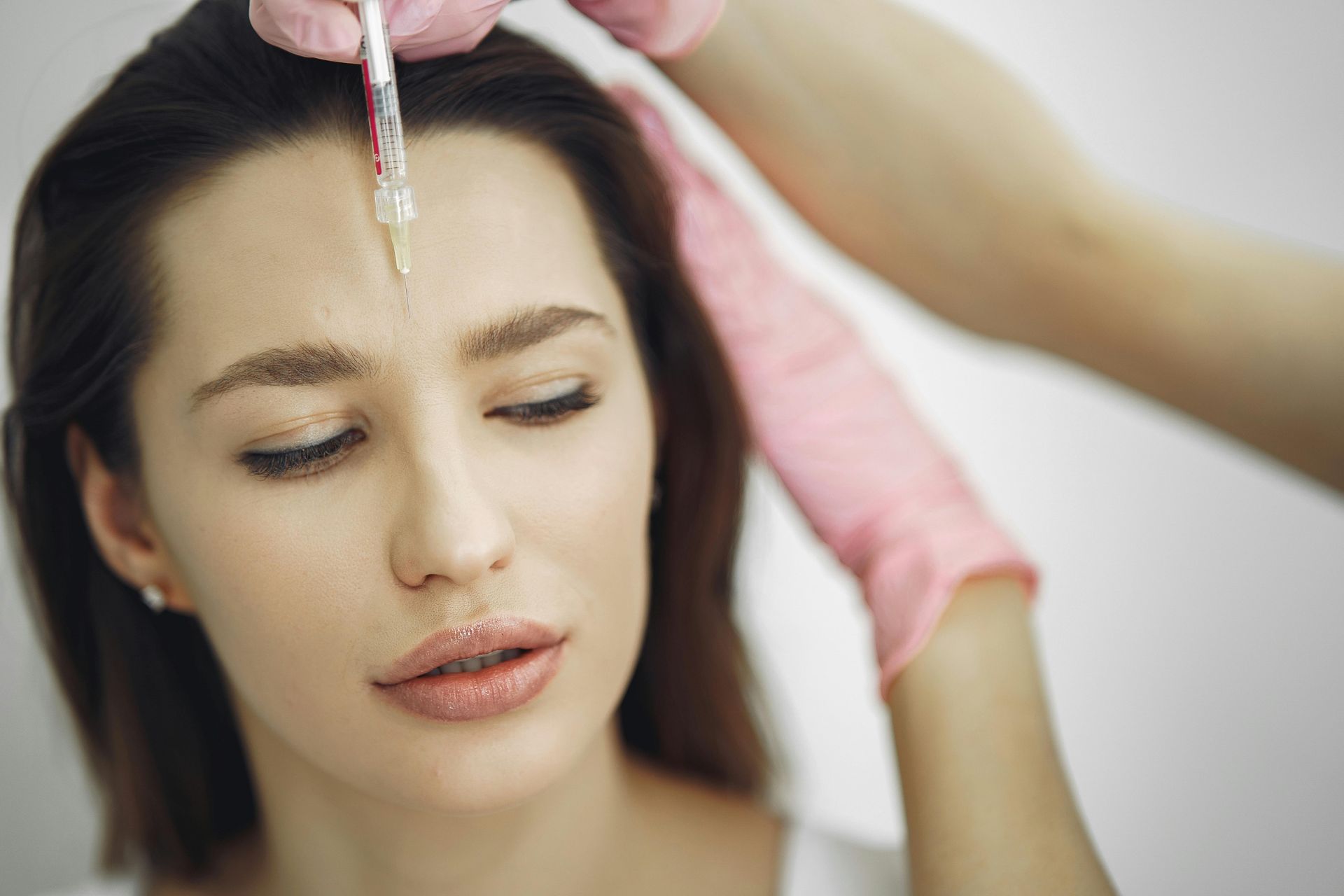
The Lip Filler Healing Process: What to Expect Day by Day
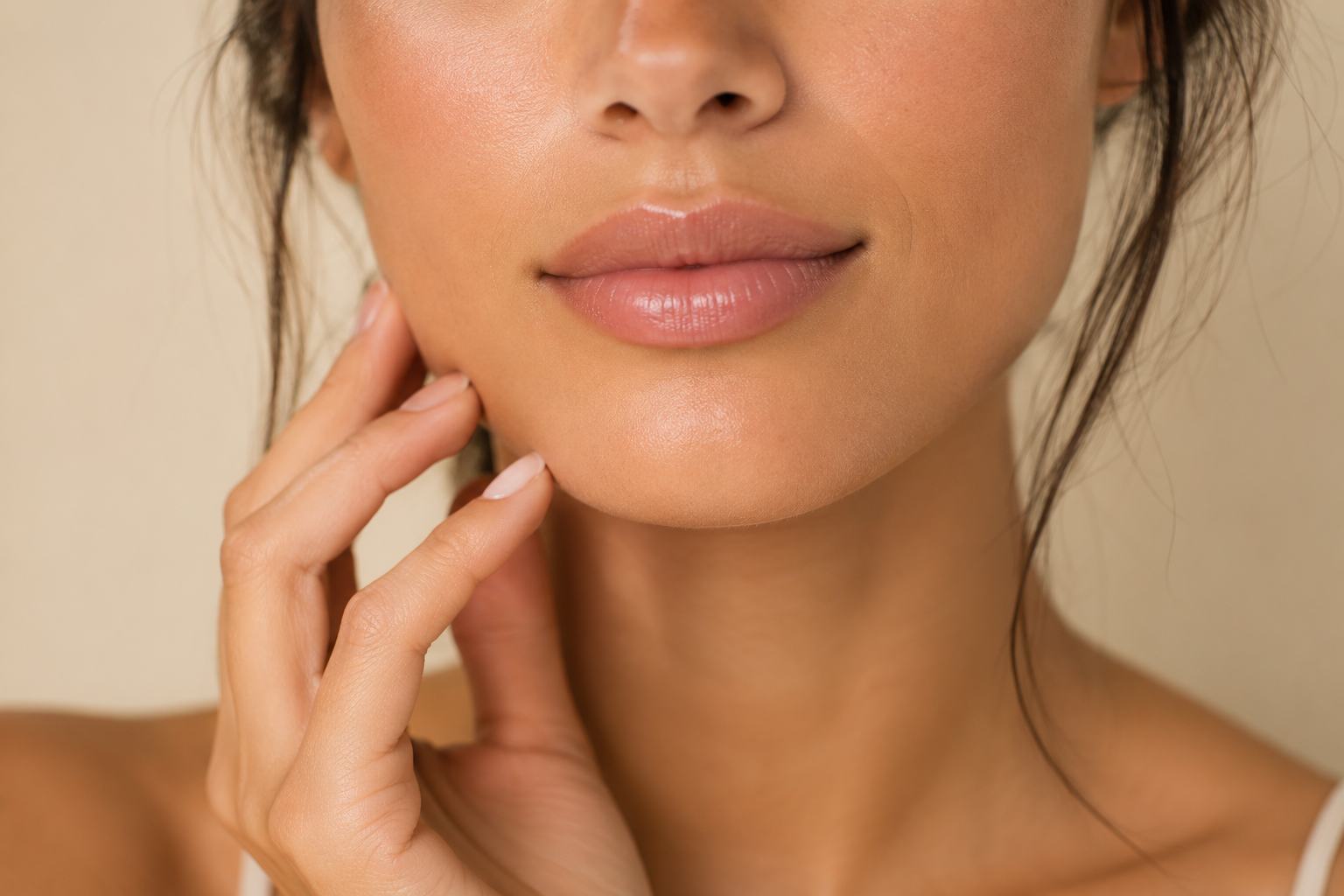
The dermal fillers we use in Dearborn are hyaluronic acid (HA) based gels, primarily from the Juvederm and Restylane families. Hyaluronic acid is a molecule your body already produces naturally. It binds water at an extraordinary rate, which is exactly why it works so well for adding volume and hydration to the lips.
Once the filler is injected, your body responds the way it would to any minor tissue disruption: blood flow increases, fluid rushes to the area, and a localized inflammatory response kicks in. That inflammatory response is healthy. It is also responsible for most of the swelling, bruising, and tenderness you will experience in the first few days. The filler itself settles and integrates with your tissue gradually, which is why we tell patients that the lips they see at 24 hours are a rough draft, and the lips they see at two weeks are the finished product.
The lip filler healing timeline: day by day
Day of treatment (day 0)
Right after we finish your injections, expect noticeable swelling. The lips will feel firm and possibly a bit stiff. Some patients describe it as "tight." Minor bleeding at the injection sites is normal, and so is redness. We apply a cold compress before you leave, and most patients are comfortable enough to drive themselves home.
Your lips will look larger than the intended result. We cannot stress this enough: the volume you see on day zero includes a significant amount of swelling on top of the actual filler. We use precise amounts during treatment, typically between 0.5 and 1.5 mL for lips, and the puffiness you are seeing will go down.
What we tell our patients: Take a photo after your appointment, then put the mirror away for the rest of the night. Checking every 20 minutes will only make you anxious. Your lips will change significantly over the next 48 hours.
Days 1 to 2: peak swelling
This is when swelling reaches its highest point. For most patients, day two is the worst of it. The lips may feel lumpy or uneven, and one side might appear slightly more swollen than the other. Both of those observations are completely expected. Bruising often becomes visible around this time as well, especially if you tend to bruise easily or were taking blood-thinning supplements beforehand.
Cold compresses remain your best tool during this phase. Apply them in 10-minute intervals rather than holding ice directly on the skin. Sleeping with your head slightly elevated can also reduce morning puffiness. We encourage patients to stay hydrated, since hyaluronic acid attracts water and adequate fluid intake supports the healing process.
Days 3 to 5: swelling starts to recede
By day three, most patients notice a visible improvement. The initial tightness loosens, and the lips begin to feel softer to the touch. Bruising may shift in color from reddish-purple to a yellowish hue as it works its way through the natural resolution process. Some patients feel small, firm spots within the lip tissue. These are typically areas where the filler has not yet fully settled, and gentle massage (only if your provider has instructed you to do so) can help smooth them out.
This is also when most patients feel comfortable returning to social plans and wearing makeup over the treated area. We recommend waiting a full 24 hours after treatment before applying any products directly to the injection sites to minimize infection risk.
Days 7 to 10: the settling phase
One week in, the majority of swelling has resolved. You are now looking at something much closer to your final result. The filler has started integrating with surrounding tissue, which gives the lips a softer, more natural feel and movement. Residual firmness may linger, but it should not be visible to anyone other than you.
If bruising occurred, it is usually gone by this point. Patients who heal on the slower side may still have faint discoloration, easily covered with concealer.
Day 14 and beyond: your final result
At the two-week mark, the healing process is effectively complete. The filler has settled into its permanent position, swelling has fully resolved, and the lips should look and feel natural. This is the point where we evaluate the outcome with our patients. If subtle asymmetry exists or you want a touch more volume, we can schedule a follow-up appointment. We never recommend adding more filler before the two-week mark because we need the full picture before making adjustments.
A 2024 observational study published in the
Journal of Clinical Medicine found that over 92% of patients treated with hyaluronic acid lip filler
reported significant improvement in appearance, with high satisfaction scores for naturalness, volume, and durability at six-month follow-up. Those results line up with what we see in our own practice.
Lip filler healing at a glance
| Timeframe | What you may experience | What to do |
|---|---|---|
| Day 0 | Swelling, redness, mild bleeding, tenderness | Ice in intervals, head elevated, avoid touching |
| Days 1-2 | Peak swelling, possible bruising, firmness | Continue cold compresses, stay hydrated, sleep elevated |
| Days 3-5 | Swelling decreasing, bruising fading, lips softening | OK to wear makeup (24h+ post), gentle care |
| Days 7-10 | Most swelling gone, filler settling, natural movement | Resume normal routine, monitor for any concerns |
| Day 14+ | Final result visible, lips feel soft and natural | Follow-up evaluation if needed |
Aftercare that actually matters
We give every patient a printed before and aftercare guide at their appointment. But here is the condensed version of what we emphasize most.
In the first 48 hours, avoid strenuous exercise, alcohol, excessive heat (saunas, hot yoga, prolonged sun exposure), and blood-thinning medications or supplements like ibuprofen, aspirin, fish oil, and vitamin E. All of these can amplify swelling or increase your risk of bruising. Stick with Tylenol if you need pain relief. Oral Arnica, a homeopathic supplement available at most pharmacies, can help reduce bruising when started the day of treatment.
Two aftercare habits we wish more patients adopted early:
- Hydrate aggressively. Hyaluronic acid is hydrophilic. Drinking plenty of water in the days after treatment helps the filler integrate smoothly and supports your body's natural healing response. We recommend at least eight glasses a day for the first week.
- Skip the straw for a week. Repetitive puckering motions can shift filler placement while it is still settling. The same goes for kissing aggressively or pressing your lips together repeatedly. Let the filler find its position.
Avoid dental procedures for two weeks before and after treatment. We also recommend against facials, chemical peels, and laser treatments in the Dearborn area on or near the lips during the healing window. If you have a history of cold sores and plan to do treatment around the mouth, let your provider know a few days in advance. We can prescribe antiviral medication to prevent an outbreak triggered by the injection.
When is swelling normal, and when should you call us?
The vast majority of lip filler side effects fall squarely into the "expected and temporary" category. Swelling, bruising, redness, tenderness, and minor asymmetry during the first week are all part of the standard healing arc. About 62% of dermal filler patients return to social activities the same day as treatment, according to research published in the Journal of Cosmetic and Laser Therapy. The recovery process is mild enough that most people can go about their daily routines without interruption.
That said, certain symptoms warrant immediate attention. Contact our office right away if you experience any of the following:
When to call SKIN MD at 248-662-5544:
- Severe or worsening pain that does not respond to Tylenol
- White or grayish discoloration of the lip tissue
- A rash or blisters at or near the injection site
- Fever or chills following treatment
- Any changes in vision (extremely rare, but urgent)
These symptoms could indicate a vascular event or an infection, both of which are rare but treatable when caught early. Our team at SKIN MD monitors all injectable patients closely and is available for questions between appointments.
What first-time patients should know
If you have never had lip filler before, the healing process can feel more dramatic simply because you have no frame of reference. That is completely normal. First-time patients also tend to swell slightly more than returning patients, likely because the tissue has not been "trained" by prior treatments.
We always start conservatively with first-time patients. Dr. Bazzi and our injectors at SKIN MD believe in a gradual approach. It is much easier to add a bit more volume at a follow-up than to wish you had done less. Your consultation includes a discussion about your goals, your facial anatomy, and a realistic projection of what the healing process will look like for your specific case.
For patients who experience anxiety about needles or discomfort during the injection itself, we offer PRO-NOX pain management, a patient-controlled nitrous oxide system that takes the edge off without requiring sedation or downtime. It has become one of the most requested add-ons at our clinic.
How long do lip filler results last?
Once the filler has fully settled around the two-week mark, you can expect results to last anywhere from six months to a full year. The exact duration depends on a few factors: the type of filler used, how much was injected, your individual metabolism, and how active the treatment area is. The lips are one of the most mobile parts of the face (you talk, eat, drink, smile, and express emotions through them constantly), so filler tends to metabolize faster there than it would in, say, the cheeks.
Studies have shown that scheduling maintenance treatments before the product has fully dissipated can extend longevity over time. The tissue retains a sort of "memory" from repeated treatments, and many of our long-term patients find they need less product and fewer sessions to maintain their desired look as the years go on.
Lip filler or a lip flip: which one is right for you?
We get this question often, especially from patients who want a subtle enhancement. A lip flip uses a small amount of Botox in Dearborn injected along the upper lip border to relax the orbicularis oris muscle. The result is a gentle "flip" of the upper lip, revealing more of the pink tissue without adding volume. A lip flip works well for patients who already have adequate lip volume but want a more defined shape or a reduction in the "gummy smile" appearance.
Lip filler, on the other hand, physically adds volume using hyaluronic acid gel. It can reshape the lip border, enhance the cupid's bow, balance asymmetry, and restore fullness that has diminished with age. The two treatments can even be combined for a comprehensive result, and we frequently do exactly that in our practice.
The healing process for a lip flip is faster (no significant swelling, results visible in a few days) but also less dramatic. If you are looking for noticeable volume, filler is the better fit. If you want a subtle lift without added fullness, a lip flip may be all you need.
We are happy to discuss both options during a consultation at our Dearborn office.
Book a consultation with our team. We will take it from there.
Frequently asked questions
Can I exercise after lip filler?
We recommend avoiding strenuous exercise for 48 hours. Elevated heart rate and blood pressure can worsen swelling and increase bruising risk. Light walking is fine.
Will my lips look fake?
Volume and placement are entirely in the hands of your injector. Our approach is always to enhance your natural anatomy rather than override it. Conservative treatment, proper technique, and the right product selection are what separate a natural outcome from an overdone one.
Can I dissolve filler if I change my mind?
Yes. Hyaluronic acid fillers can be dissolved with an enzyme called hyaluronidase. The reversal process is quick and effective, though it is rarely needed when treatment is performed by an experienced injector.
Is lip filler safe?
Hyaluronic acid fillers are FDA-approved and have been used in cosmetic medicine for over two decades. Complications are rare when the procedure is performed by a trained, experienced provider. That is one reason we emphasize choosing a qualified med spa for any injectable treatment. Learn more about our team and credentials.